PRODUCTS SEARCH
A fire pump plays a critical role in modern fire protection systems, ensuring that water is delivered at the correct pressure and flow during emergencies. But many engineers, contractors, and building owners still ask the same question: when does a building need a fire pump?
The answer is not based on building type alone. Instead, the requirement for a fire fighting pump depends on whether the available water supply can meet the hydraulic demand of the fire protection system under real fire conditions.
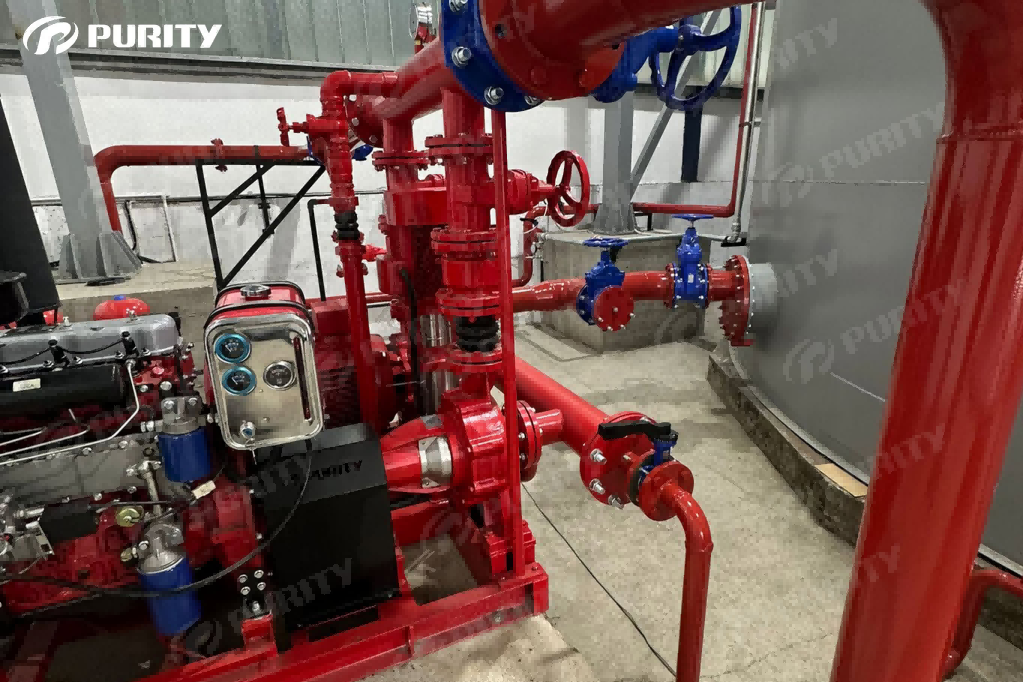
A building needs a fire pump whenever the required water pressure or flow for its fire protection system exceeds what the existing water supply can deliver.
This applies to all types of systems, including sprinklers, hydrants, and standpipes. If the municipal water network or onsite water storage cannot meet the design demand, a fire water pump becomes essential to ensure system reliability.
Standards such as NFPA 13, NFPA 14, and NFPA 20, as well as local building codes like the IBC, all support this engineering principle.
The most common reason for installing a fire pump is weak or unstable water supply. In many areas, municipal pressure is not enough to support full fire system demand during peak usage or emergency conditions.
When hydraulic calculations show that pressure drops below required levels, a fire fighting pump is necessary to compensate.
In high-rise buildings, gravity and friction losses significantly reduce water pressure as it moves upward. As a general rule, buildings above approximately 75 feet (or about 7 stories) often require a fire pump.
Without a pump, upper-floor sprinklers and hose connections would not receive sufficient pressure to activate effectively.
Buildings with large floor areas, multiple sprinkler zones, or combined systems (sprinklers + standpipes) require higher flow and pressure demands.
Examples include:
(1) Warehouses
(2) Shopping malls
(3) Airports
(4) Hospitals
In these cases, a fire water pump ensures consistent performance across all zones.
Facilities storing flammable liquids, chemicals, or high-value goods require reliable suppression systems. Even minor pressure loss can lead to system failure.
For these applications, both electric fire pump and diesel fire pump configurations are commonly used to ensure redundancy and continuous operation during power failure.
Different applications require different pump configurations:
(1) Electric fire pump: Widely used in buildings with stable power supply; efficient and easy to maintain.
(2) Diesel fire pump: Used as backup or primary pump in areas with unstable electricity supply.
(3) Fire water pump systems: Often include jockey pumps, controllers, and full pump sets for automatic pressure maintenance.
(4) Fire fighting pump units: Complete assemblies designed for sprinkler and hydrant systems.
It is important to understand that not all buildings require a fire pump.
Small buildings such as:
(1) One- or two-story retail shops
(2) Low-rise offices
(3) Small residential buildings
may operate effectively without a pump if water supply pressure is sufficient.
However, this must always be confirmed through hydraulic calculations during system design.
Determining whether a fire pump is required is not guesswork. Engineers must:
(1) Perform hydraulic calculations based on NFPA 13/14
(2) Test actual water supply pressure and flow
(3) Compare demand vs. available supply
(4) Evaluate safety margins and code requirements
Only when supply is insufficient is a fire fighting pump required.
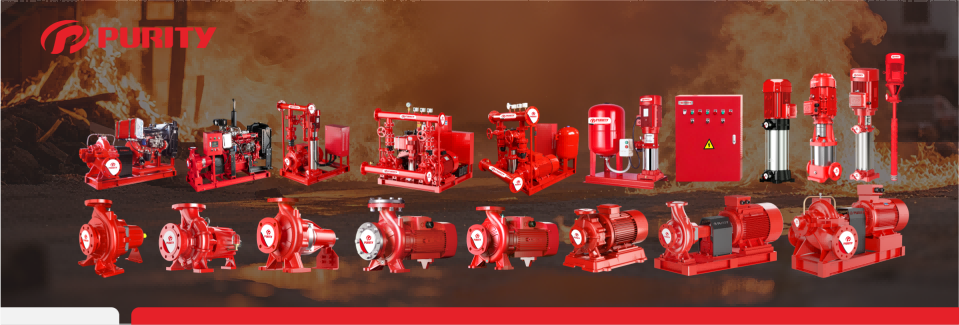
Purity Pump provides a full range of reliable fire protection equipment designed for global projects. Our product line includes vertical multistage pumps, horizontal split case pumps, and complete fire pump systems.
Key advantages:
(1)Complete range of fire pump models
(2)Flexible system integration for fire water pump solutions
(3)High-efficiency designs for both electric fire pump and diesel fire pump configurations
(4)Some models certified with international UL standards
(5)Global supply capability across 130+ countries
Founded in 2010, Purity produces over 15,000 pump sets annually and continues to support distributors and contractors worldwide in fire protection projects.
We are actively seeking global agents and partners to expand cooperation in fire safety markets.
So, when does a building need a fire pump?
A building requires a fire pump whenever its fire protection system demands more pressure or flow than the available water supply can provide. This includes high-rise buildings, large facilities, high-risk industrial sites, and any system where hydraulic demand exceeds supply capacity.
In simple terms:
A fire fighting pump is needed when water alone is not enough to guarantee fire system performance.
With reliable engineering and proper product selection, fire protection systems can operate safely and effectively under any condition.