PRODUCTS SEARCH
Centrifugal pumps are among the most widely used fluid transfer equipment in modern industries. By converting mechanical energy into kinetic and pressure energy through a rotating impeller, they provide continuous, efficient, and reliable liquid transportation. Thanks to their simple structure, stable performance, low maintenance requirements, and high flow capacity, centrifugal pumps have become essential in water supply, industrial processing, HVAC systems, wastewater treatment, and many other applications.
In this article, we will explore the most common centrifugal pump applications, the different pump types available, and how to choose the right centrifugal pump for your project.
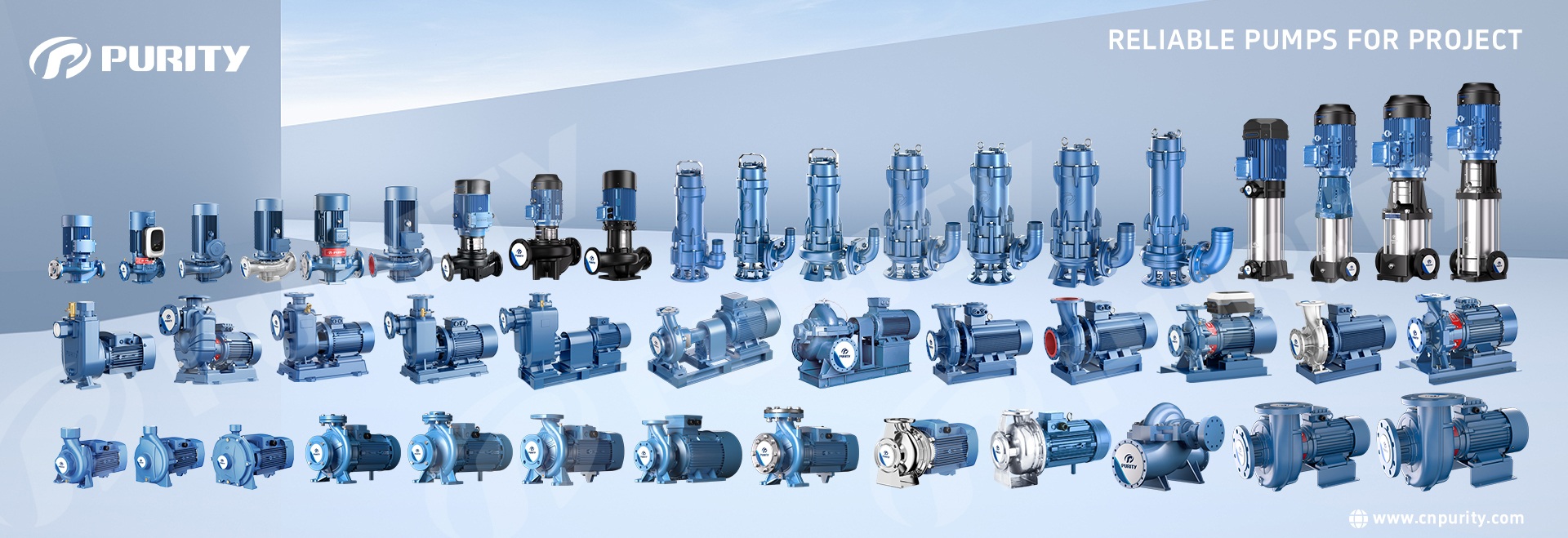
A centrifugal pump operates by using a rotating impeller to generate centrifugal force. Liquid enters the center of the impeller, gains velocity as it moves outward, and is then directed through the pump casing where velocity energy is converted into pressure energy.
This operating principle allows centrifugal pumps to deliver:
(1)Continuous flow
(2)Stable pressure
(3)High efficiency
(4)Reliable long-term operation
Because they work best with low-viscosity liquids, centrifugal pumps are commonly used for water, industrial process fluids, and other similar media.
One of the most common centrifugal pump applications is water supply. Municipal water networks, commercial buildings, residential complexes, and pressure boosting systems all rely on centrifugal pumps to maintain stable water delivery.
These pumps help ensure:
(1)Consistent water pressure
(2)Reliable water distribution
(3)Efficient operation in high-demand environments
Manufacturing facilities use centrifugal pumps to transport water and process liquids throughout production lines.
Industries that commonly utilize centrifugal pumps include:
(1)Manufacturing
(2)Textile manufacturing
Their ability to provide continuous flow makes them ideal for industrial operations requiring uninterrupted fluid movement.
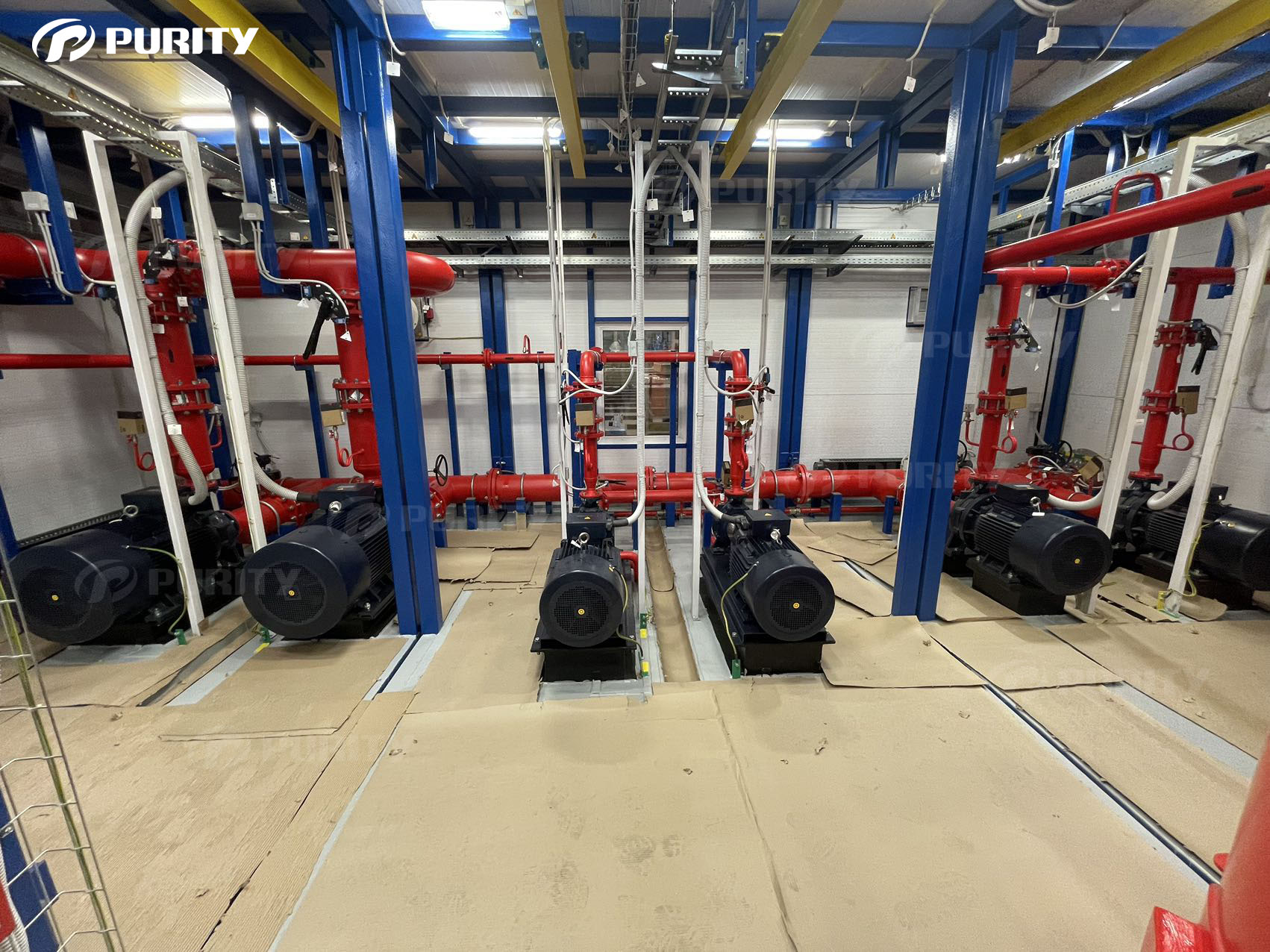
Heating, Ventilation, and Air Conditioning (HVAC) systems depend heavily on centrifugal pumps.
Applications include:
(1)Chilled water circulation
(2)Cooling towers
(3)Air conditioning systems
(4)Heating systems
Centrifugal pumps help improve energy efficiency while ensuring stable temperature control throughout the facility.
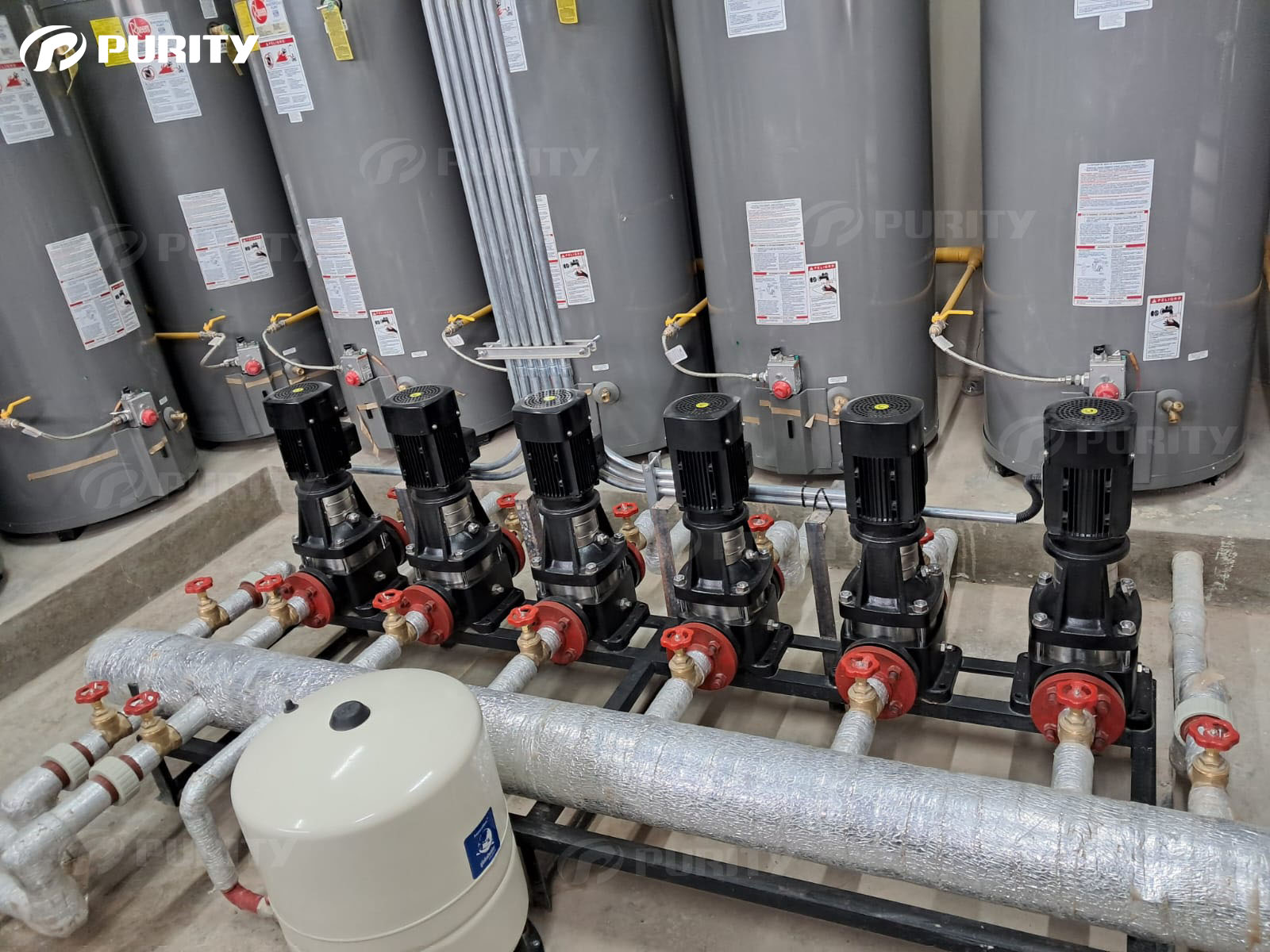
Water treatment plants and wastewater facilities use centrifugal pumps for transferring, circulating, and processing water.
Typical applications include:
(1)Water purification systems
(2)Wastewater treatment plants
(3)Water recycling systems
(4)Industrial water circulation
Their high flow capabilities make them suitable for handling large volumes of water efficiently.
A horizontal centrifugal pump is one of the most commonly used pump configurations. The pump shaft is installed horizontally, making maintenance and installation convenient.
Advantages include:
(1)Easy servicing
(2)Cost-effective operation
(3)High reliability
(4)Suitable for general water transfer
Horizontal centrifugal pumps are widely used in factories, municipal water systems, HVAC systems, and industrial facilities.
A vertical centrifugal pump is designed with a vertically mounted shaft, making it ideal for applications where floor space is limited.
Common applications include:
(1)High-rise building water supply
(2)Fire protection systems
(3)Deep well pumping
(4)Water treatment facilities
Vertical pumps can provide high pressure while occupying a smaller installation footprint.
A multistage centrifugal pump contains multiple impellers arranged in series. Each stage increases pressure, allowing the pump to achieve significantly higher heads than single-stage pumps.
Multistage pumps are commonly used in:
(1)High-rise building boosting
(2)Boiler feed systems
(3)Reverse osmosis systems
(4)Industrial high-pressure applications
When high pressure and energy efficiency are required, multistage centrifugal pumps are often the preferred solution.
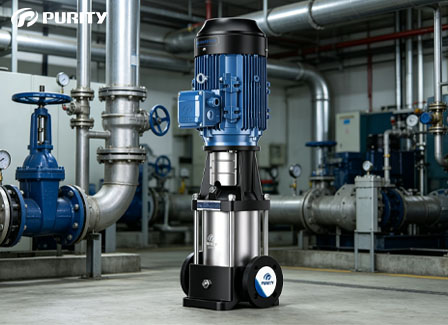
A stainless steel centrifugal pump is specifically designed for applications requiring corrosion resistance and hygiene.
Typical industries include:
(1)Chemical transfer
(2)Water treatment
Stainless steel construction provides excellent durability, corrosion resistance, and long service life, making these pumps suitable for demanding operating environments.
The popularity of centrifugal pumps comes from several key advantages:
(1)High flow capacity
(2)Continuous and smooth operation
(3)Simple mechanical design
(4)Low maintenance requirements
(5)Energy-efficient performance
(6)Wide range of applications
Compared with many other pump technologies, centrifugal pumps offer a cost-effective solution for handling large volumes of low-viscosity liquids.
Despite their advantages, centrifugal pumps also have limitations:
(1)Not suitable for highly viscous fluids
(2)May require priming before startup
(3)Efficiency may decrease under extremely high-pressure conditions
(4)Not ideal for precise metering applications
Understanding these limitations helps users select the most suitable pump technology for their specific needs.
As a professional pump manufacturer established in 2010, Purity offers a comprehensive range of centrifugal pump solutions for global customers.
Key advantages include:
(1)Complete product portfolio covering horizontal centrifugal pumps, vertical centrifugal pumps, multistage centrifugal pumps, and stainless steel centrifugal pumps
(2)More than 130 certifications and patents, including CE, ISO, and SASO certifications
(3)A 60,000 m² manufacturing facility
(4)Annual production capacity exceeding 150,000 pump units
Whether you need water supply pumps, pressure boosting systems, industrial process pumps, or corrosion-resistant stainless steel solutions, Purity can provide products tailored to your requirements.
Centrifugal pumps have become the preferred fluid transfer solution across water supply, industrial processing, HVAC, and water treatment industries. Their ability to deliver high flow rates, stable operation, and low maintenance costs makes them one of the most practical and reliable pump technologies available today.
With a wide range of options such as horizontal centrifugal pumps, vertical centrifugal pumps, multistage centrifugal pumps, and stainless steel centrifugal pumps, businesses can easily find a solution that matches their application requirements.