PRODUCTS SEARCH
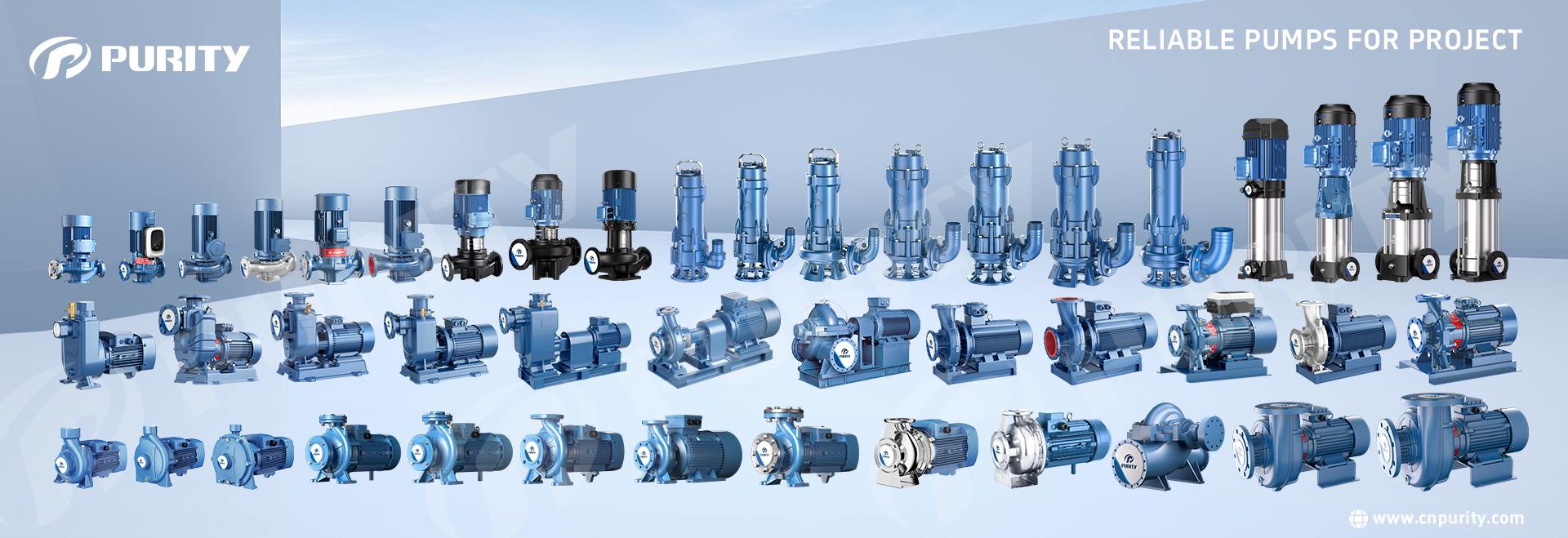
In this article, we will explore how centrifugal pumps work, the common types used in industry—such as the pipeline centrifugal pump, end suction centrifugal pump, self priming centrifugal pump, and submersible centrifugal pump—and the industries where they are most commonly applied.
A centrifugal pump operates by converting mechanical energy from a motor into kinetic and pressure energy within the fluid. The pump’s motor drives a rotating impeller, which generates centrifugal force. This force pushes liquid from the center of the impeller outward to the edges.
As the fluid leaves the impeller, it enters the pump casing where the velocity energy is converted into pressure. The pressurized fluid is then discharged through the outlet pipe and delivered to the system.
A typical centrifugal pump includes several key components:
(1) Impeller
(2) Pump casing (volute or diffuser)
(3) Pump shaft
(4) Suction and discharge ports
(5) Bearings and sealing system
These components work together to ensure efficient fluid transfer across various industrial processes.
Different applications require different pump designs. Below are several common centrifugal pump types widely used across industrial systems.
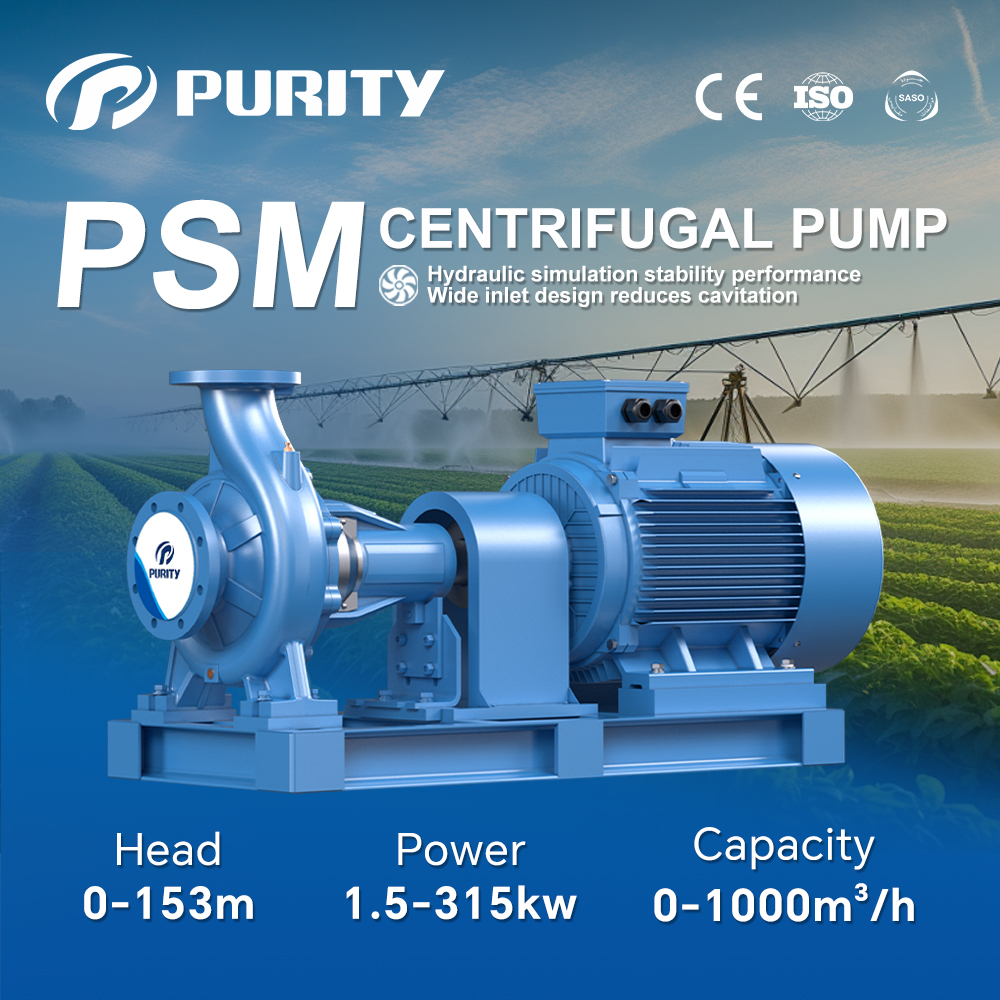
The end suction centrifugal pump is one of the most common pump designs. In this configuration, liquid enters the pump from one end of the impeller and exits from the top.
This pump type is known for:
(1) Simple structure
(2) Easy installation and maintenance
(3) Cost-effective operation
End suction pumps are widely used in water supply systems, HVAC circulation, irrigation systems, and industrial water transfer.
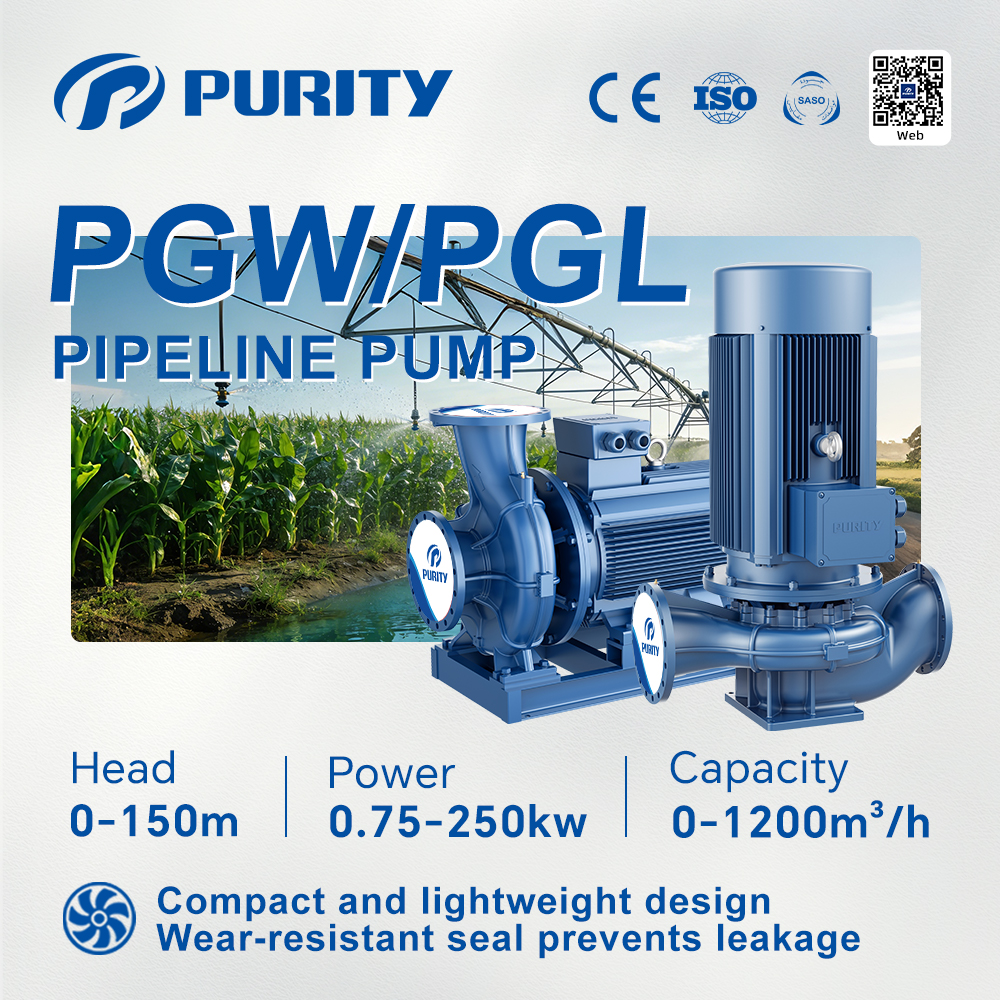
The pipeline centrifugal pump (also known as an inline pump) is installed directly within the pipeline system. Both the inlet and outlet are aligned on the same axis, which simplifies piping installation and saves space.
Pipeline centrifugal pumps are commonly used in:
(1) Building water supply systems
(2) Heating and cooling circulation systems
(3) Booster systems in high-rise buildings
(4) Industrial circulation systems
Their compact structure makes them ideal for applications where floor space is limited.
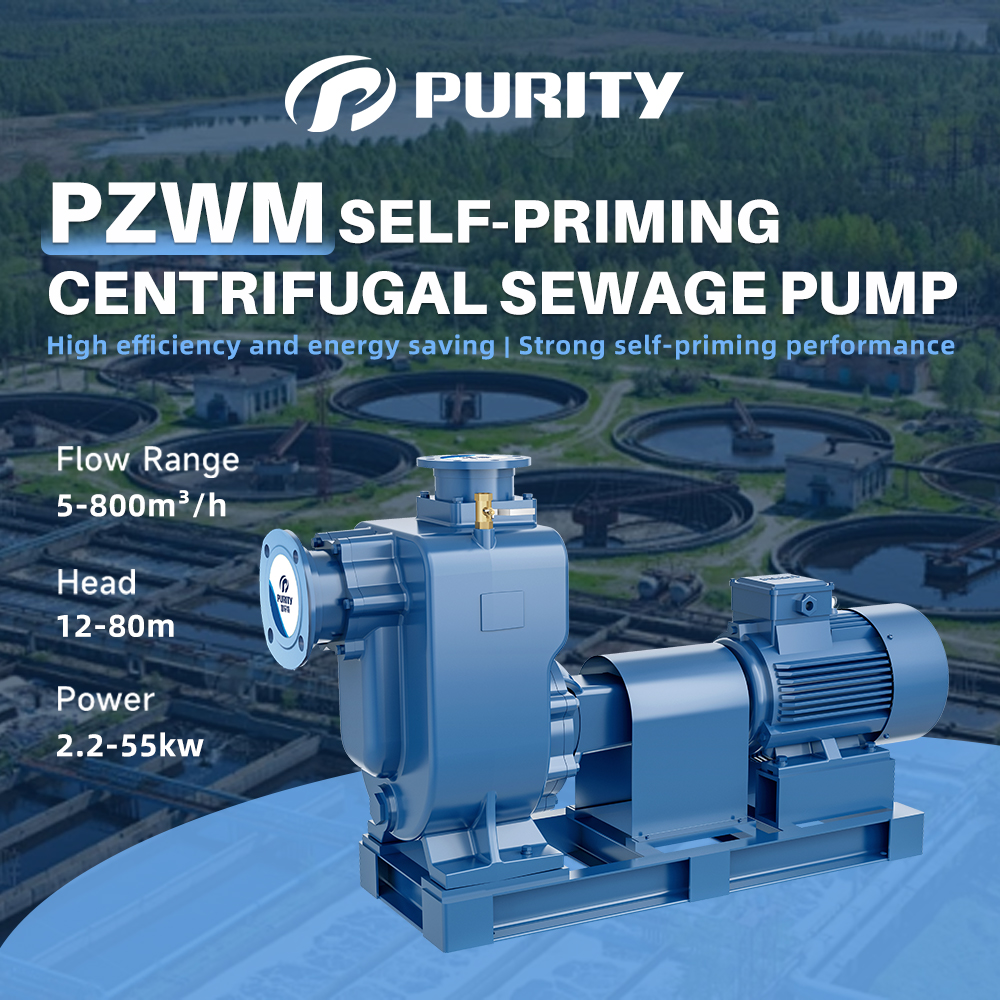
The self priming centrifugal pump is designed to remove air from the suction line automatically during startup. Unlike conventional pumps, it does not require manual priming before operation.
This design offers several advantages:
(1) Easier startup
(2) Improved reliability
(3) Reduced maintenance requirements
Self priming centrifugal pumps are often used in wastewater treatment, irrigation systems, flood control, and dewatering applications.
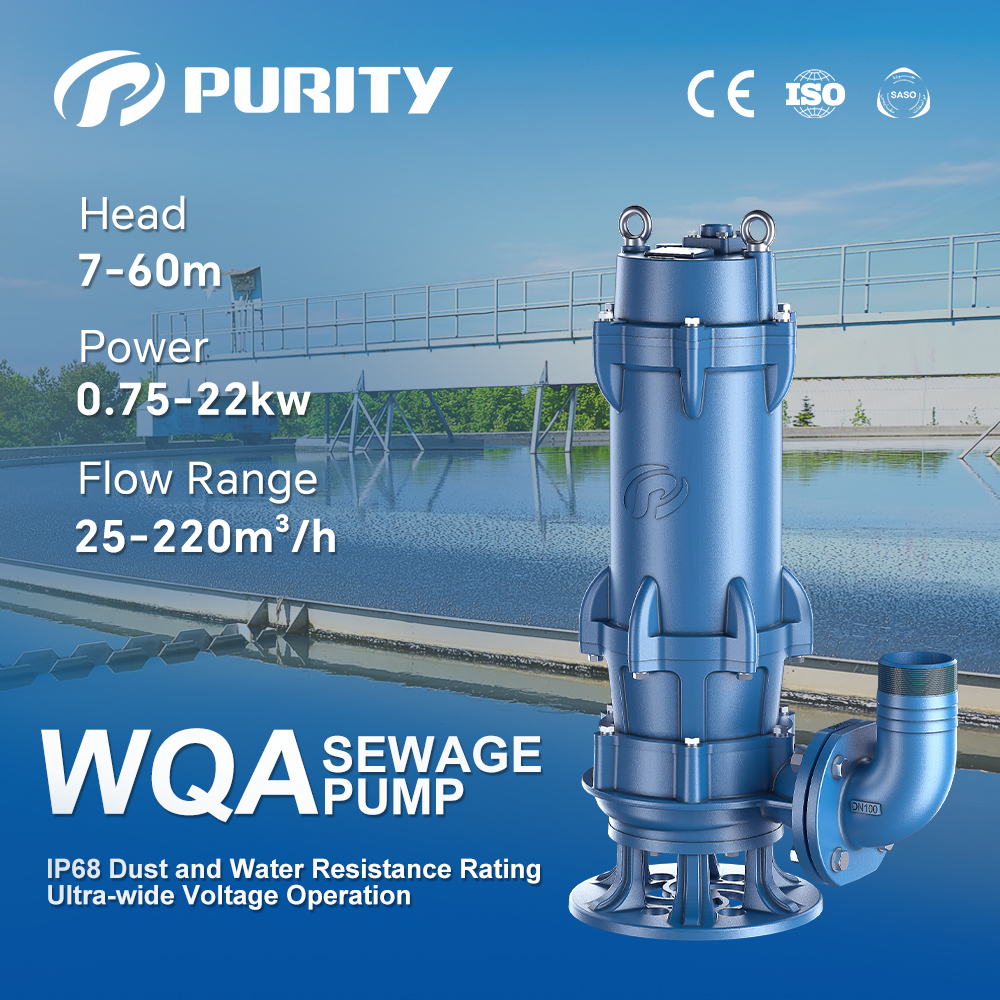
A submersible centrifugal pump operates while fully submerged in the fluid being pumped. The motor is sealed and protected from water infiltration.
Submersible pumps are widely used in:
(1) Sewage and wastewater treatment
(2) Mining drainage systems
(3) Groundwater extraction
(4) Flood control and drainage projects
Because the pump operates underwater, it eliminates suction problems and improves pumping efficiency.
Centrifugal pumps are used in nearly every industry that requires fluid transportation. Some of the most common industrial applications include:
Centrifugal pumps transport chemicals, solvents, and corrosive liquids between processing units.
Municipal water plants and wastewater facilities rely heavily on centrifugal pumps for filtration, circulation, and distribution.
Power plants use centrifugal pumps for cooling water circulation, boiler feed systems, and auxiliary operations.
In agriculture, centrifugal pumps are essential for irrigation systems, water supply, and agricultural water management.
These pumps help transfer liquids such as milk, juice, and other food-grade fluids throughout production lines.
Centrifugal pumps are popular in industry due to several benefits:
(1) Simple and reliable structure
(2) High efficiency in large flow applications
(3) Low maintenance requirements
(4) Cost-effective operation
(5) Wide range of pump sizes and configurations
Despite their advantages, centrifugal pumps also have some limitations:
(1) Limited suction lift
(2) Reduced efficiency when handling highly viscous fluids
(3) Potential cavitation issues if system design is improper
Regular maintenance—such as checking seals, inspecting impellers, and cleaning strainers—can help maintain optimal performance.
If you are looking for a reliable centrifugal pump manufacturer, Purity offers a wide range of solutions for industrial and commercial applications.
Purity advantages include:
(1) A complete range of pumps including pipeline centrifugal pump, end suction centrifugal pump, self priming centrifugal pump, and submersible centrifugal pump
(2) Multiple models and performance options to meet diverse project requirements
(3) International certifications such as CE, ISO, SASO, and CQC
(4) A modern 60,000 m² manufacturing facility with an independent R&D team ensuring consistent product quality
With strong manufacturing capability and global experience, Purity aims to become your preferred centrifugal pump partner.
The centrifugal pump remains one of the most important pieces of equipment in modern fluid transportation systems. From industrial manufacturing and water treatment to agriculture and building services, centrifugal pumps provide efficient and reliable liquid transfer solutions.
By selecting the appropriate pump type—such as a pipeline centrifugal pump, end suction centrifugal pump, self priming centrifugal pump, or submersible centrifugal pump—and maintaining the equipment properly, businesses can ensure long-term performance and energy efficiency.
As industries continue to expand, centrifugal pumps will remain a vital technology supporting global infrastructure and production systems.